
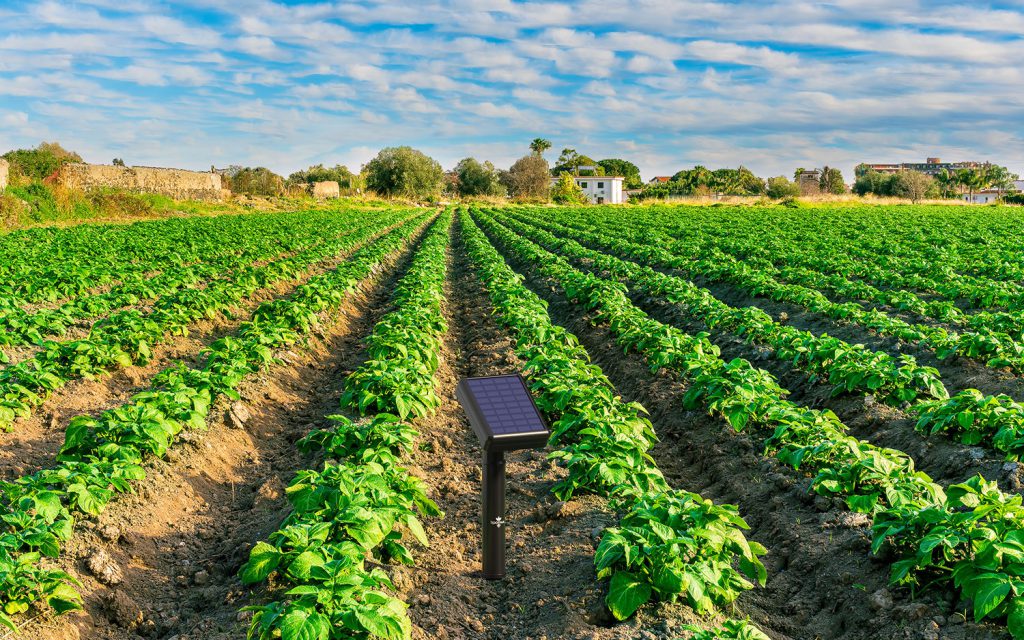
In recent years, smart soil sensors have become a cornerstone of precision agriculture, helping farmers optimize water use, fertilization, and crop yields. As climate change and resource scarcity challenge traditional farming, technologies like Rootinal’s AI-powered soil sensors offer practical solutions to create a more sustainable and productive future for agriculture.
What Are Smart Soil Sensors?
Smart soil sensors are devices installed directly in the ground that continuously monitor key soil parameters such as moisture, temperature, and nutrient levels. Unlike traditional soil testing, which is labor-intensive and periodic, these sensors provide real-time, hyper-local data to farmers. Rootinal’s sensors are solar-powered and equipped with E-SIM technology, enabling continuous data transmission even in remote fields without internet access.
Benefits of Using Soil Sensors in Smart Farming
1. Efficient Water Management
Water scarcity is one of the biggest challenges in modern agriculture. Smart soil sensors help farmers monitor soil moisture precisely, enabling irrigation only when and where it’s needed. This prevents overwatering, reduces water waste, and promotes healthier crops.
2. Optimized Fertilizer Use
Over-fertilization harms both crops and the environment by causing nutrient runoff. Rootinal’s sensors monitor nutrient levels in real time, allowing farmers to apply fertilizers exactly when necessary, reducing costs and environmental impact.
3. Increased Crop Yields and Quality
By providing precise data and AI-driven recommendations via an easy-to-use mobile app, farmers can make better decisions regarding irrigation, fertilization, and crop management. This leads to healthier plants, higher yields, and improved produce quality.
4. Sustainability and Environmental Protection
Smart farming with soil sensors reduces unnecessary resource use and minimizes environmental damage. Monitoring soil health helps prevent land degradation and supports sustainable farming practices aligned with climate-smart agriculture goals.
How Rootinal’s AI-Powered Soil Sensors Work
Rootinal’s solution combines IoT sensors with advanced AI analytics. The sensors collect soil data 24/7 and send it through E-SIM connectivity to the cloud. AI models analyze this data alongside weather and satellite inputs to provide actionable insights tailored to each farm’s microclimate. Farmers receive recommendations in real time through the Rootinal app, enabling precise interventions that save resources and increase efficiency.
Who Can Benefit from Rootinal?
Rootinal is designed for a wide range of agricultural operations—from small family farms and greenhouses to large-scale commercial farms and agricultural cooperatives. Governments and policymakers also leverage aggregated data to improve regional agricultural strategies and monitor soil health trends.
Conclusion
Integrating smart soil sensors into farming practices is transforming agriculture worldwide. Rootinal’s innovative AI-driven technology empowers farmers to optimize irrigation and fertilization, increase yields, and promote sustainability. As agriculture faces unprecedented challenges, precision farming tools like Rootinal are essential to securing food production for future generations.


